
With six countries preparing to build for 2030, the architects behind some of those projects are asking a different question.
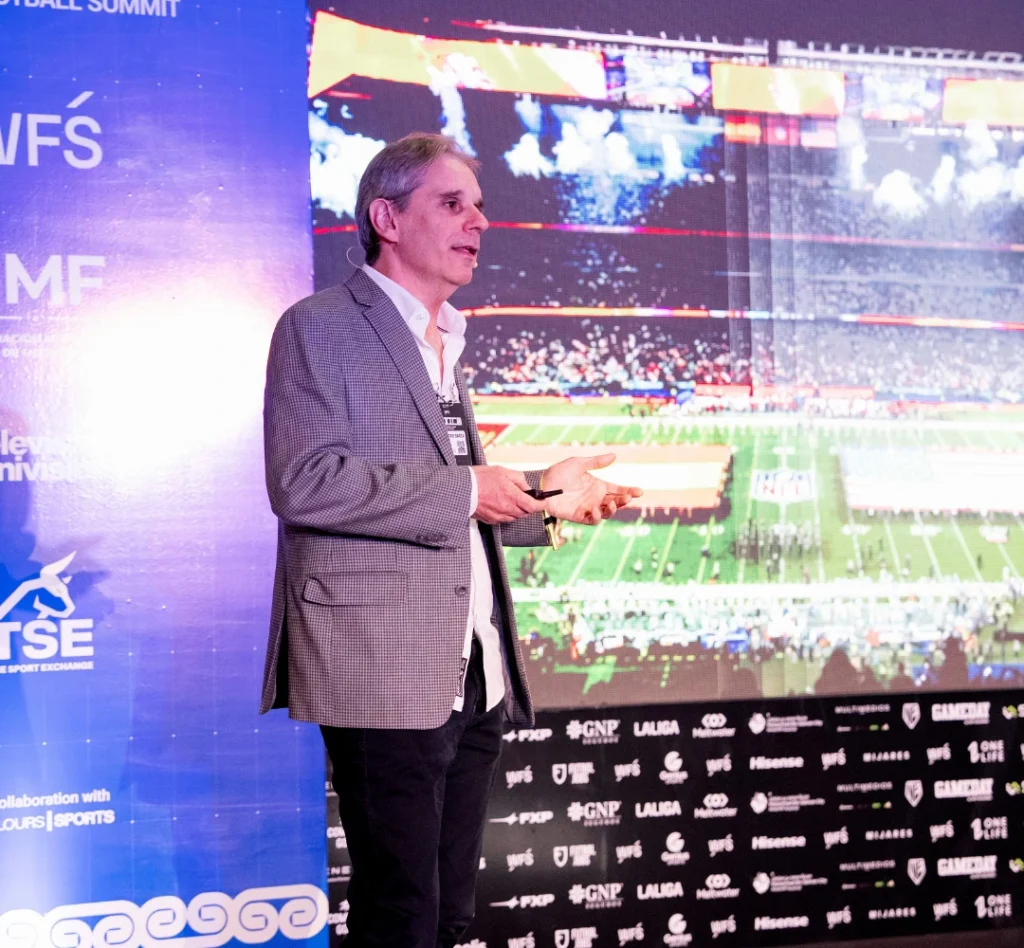
“Designing a stadium for a World Cup is a double problem,” said Alejandro Barca, senior partner at L35, the architecture firm behind two stadiums for the 2030 World Cup. “You have to meet FIFA’s requirements for four to six matches. But the stadium stays in the city for decades. What works for one does not necessarily work for the other.”
The data from previous tournaments illustrates this dilemma in numbers. For the 2014 World Cup, Brazil spent 3.6 billion dollars building and renovating twelve stadiums for the 2014 World Cup. According to research by Play the Game and the Danish Institute for Sports Studies, only one was profitable after the tournament: the Arena Corinthians in São Paulo. The Arena das Dunas in Natal, built for 42,000 spectators, averaged 13,733 in attendance between 2015 and 2022. South Africa spent 1.1 billion dollars on ten stadiums for 2010. Since then, the Cape Town Stadium has cost taxpayers an estimated 3.5 million dollars per year in maintenance.
The 2026 World Cup, now under way across 16 preexisting venues, has sidestepped that problem entirely. The question for 2030 is whether six countries building new infrastructure can do the same.
Barca’s explanation at WFS Mexico City goes to the root of it. FIFA’s requirements condition design around a very specific set of needs: large press areas, extensive VIP facilities, maximum capacity. “The adaptability challenge comes after. Reducing press spaces, reducing capacity, reconverting infrastructure. These are problems we will face permanently.” A stadium optimised for a World Cup is, almost by definition, oversized and over-specified for everything that comes after it.
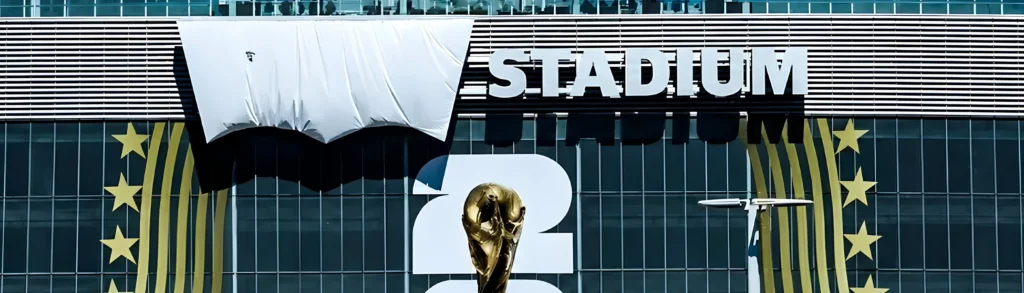
The question you have to ask first
The clubs and cities that have avoided this trap share one thing: they inverted the question. Instead of starting with FIFA’s requirements and working backwards, they started by analysing what the city needs for the next fifty years and built the tournament brief around that. “The stadium has to understand the spirit of the place, the cultural factors, the social factors,” Barca said. “It is not the same to build in the desert of the Emirates as on the slopes of La Paz or in the midst of the Canary Islands.”
That place-specific thinking has immediate commercial consequences. FIFA’s clean zone regulations prohibit any non-official sponsor activation within two kilometres of a tournament venue. During the 2026 World Cup, the Estadio Banorte is the “Ciudad de México” stadium, and the BBVA Estadio will be known as the Monterrey Stadium. Naming rights contracts — some worth tens of millions of euros — are effectively suspended for the duration of the tournament. The asset you built is temporarily not yours. Then FIFA leaves. And the real challenge begins.
Ten minutes after the final whistle
An NFL stadium hosts eight or nine matches a year — roughly 1% of its useful life. Football stadiums in Mexico average around 24 matches a season – a fraction of the days on the calendar. “The major revenue has to come from what this stadium is for ten minutes after the game ends,” said José Ramón Fernández of Grupo Pachuca at WFS Mexico City. The stadium that generates sustainable returns is not the one built for the biggest possible occasion; it’s the one with something to offer on the other 340 days of the year. This logic is reshaping how the industry thinks about venue location: the new generation of stadium projects is reversing decades of peripheral development, positioning venues as motors of urban regeneration – retail, hotels, residential, offices – generating activity each day that a match isn’t being played.

The morning after
For the 2030 World Cup, three countries across three continents are preparing, and each will face the same dilenma. The stadiums that emerge from this process as genuine long-term assets will be the ones designed not for the opening ceremony, but for the morning after.