
Michele Kang, Founder, Chairwoman & President of Kynisca Sports International, has built the first multi-club group dedicated to women’s football, with Washington Spirit, OL Lyonnes and London City Lionesses, and in June she also became President and majority owner of Olympique Lyonnais.
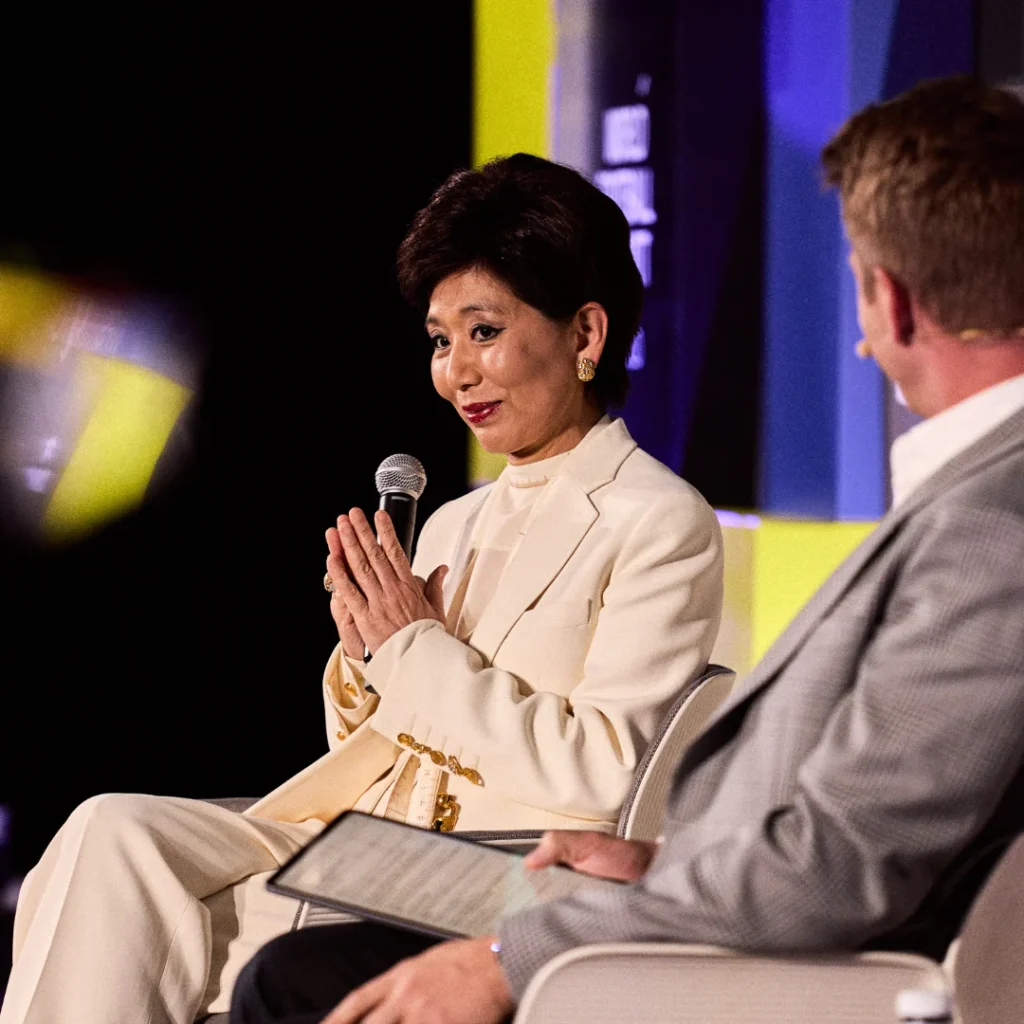
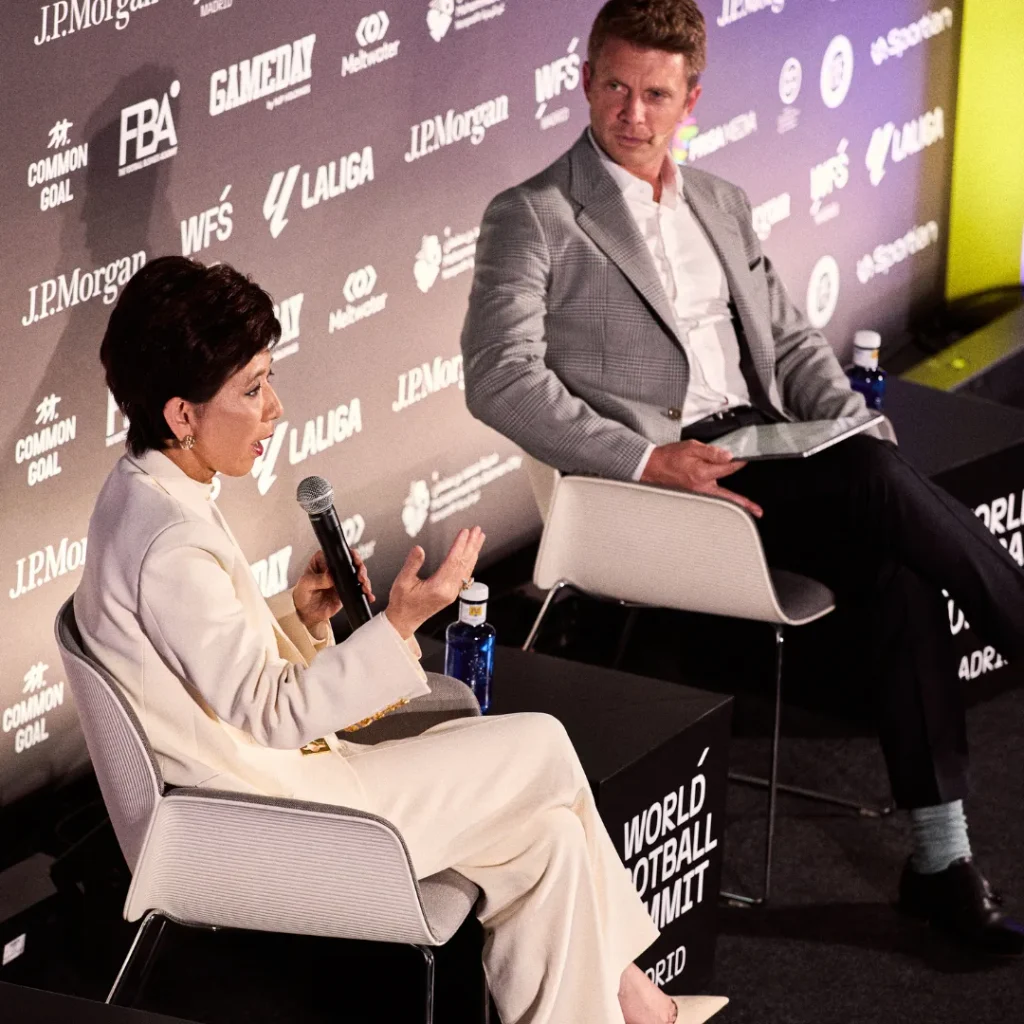
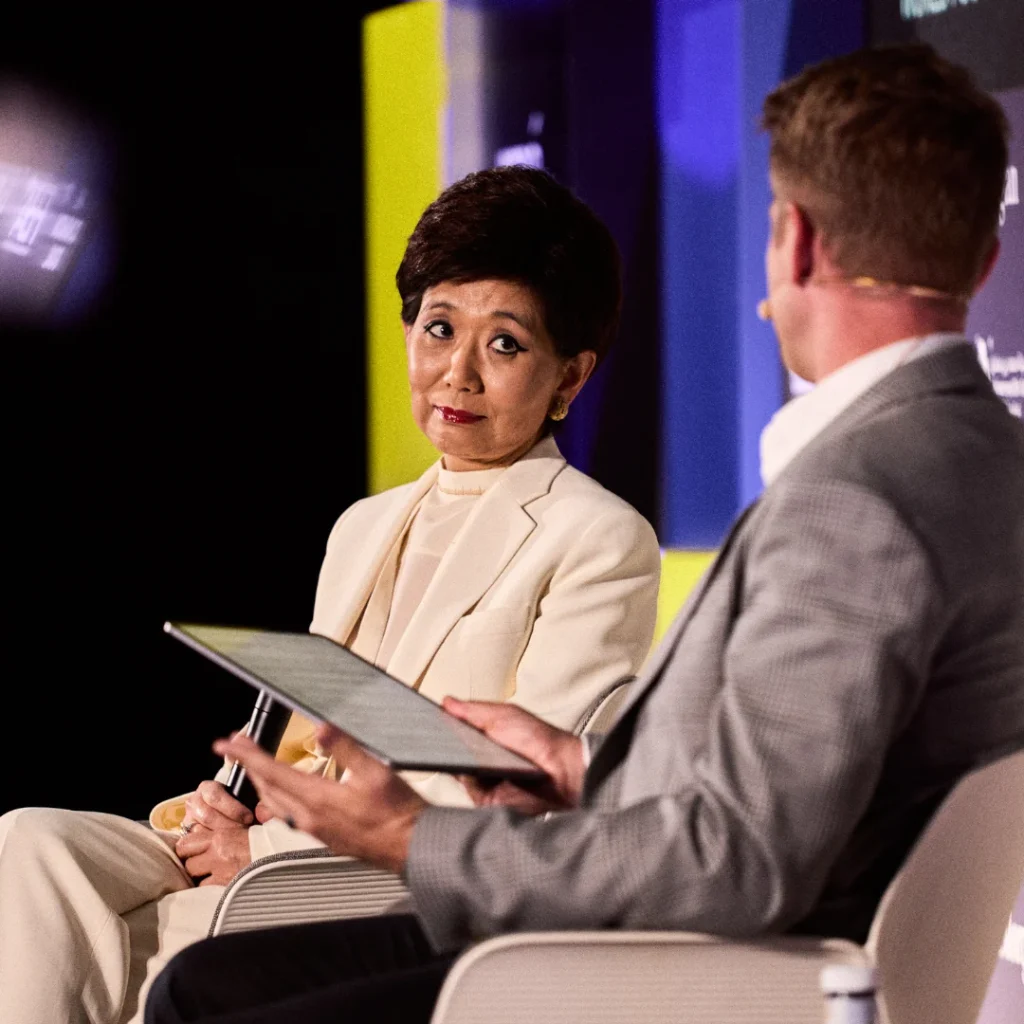
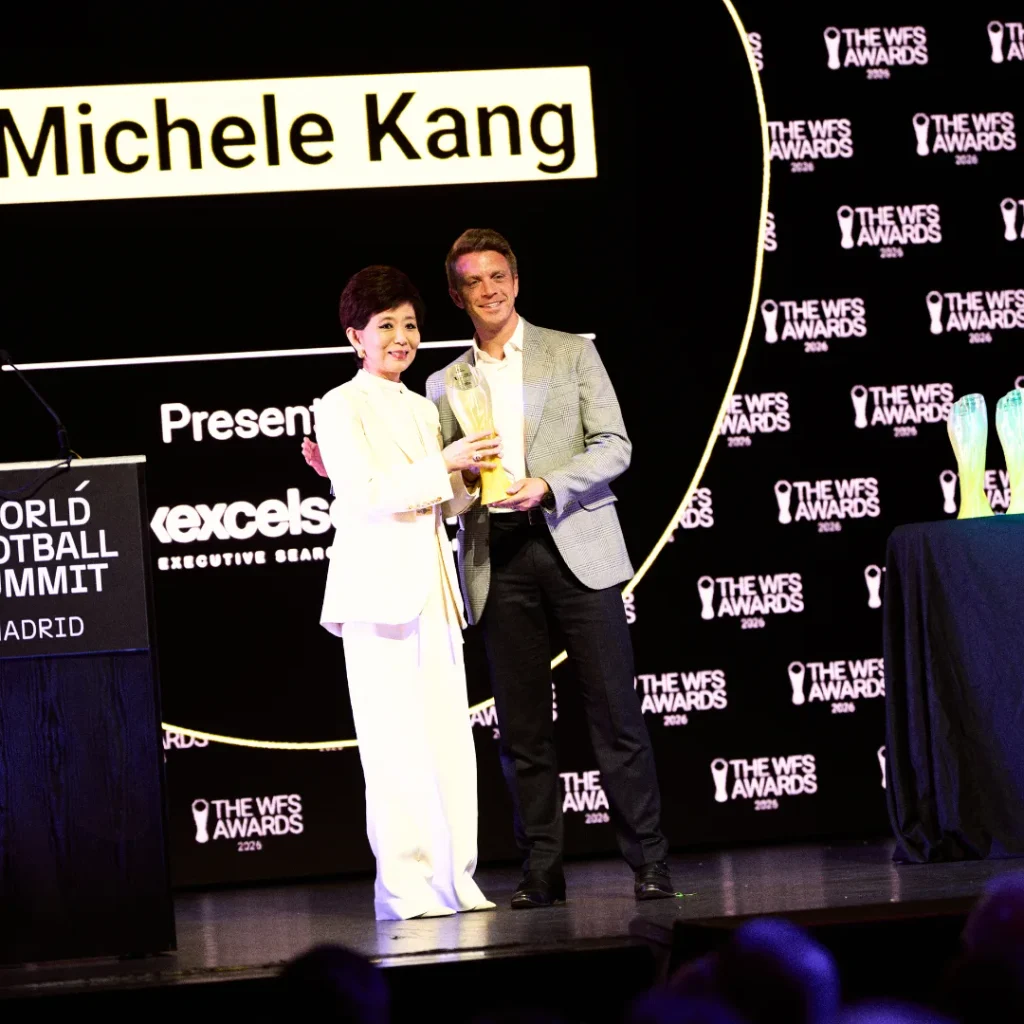
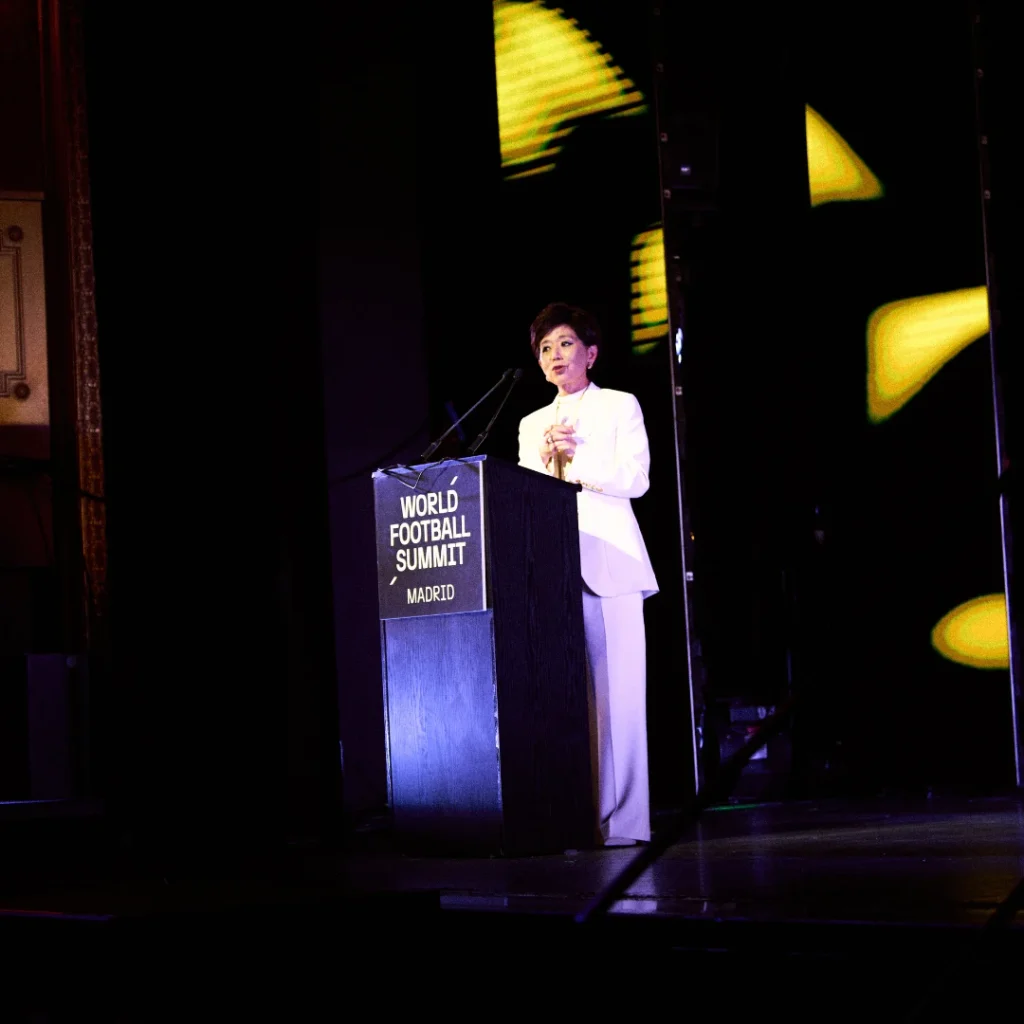
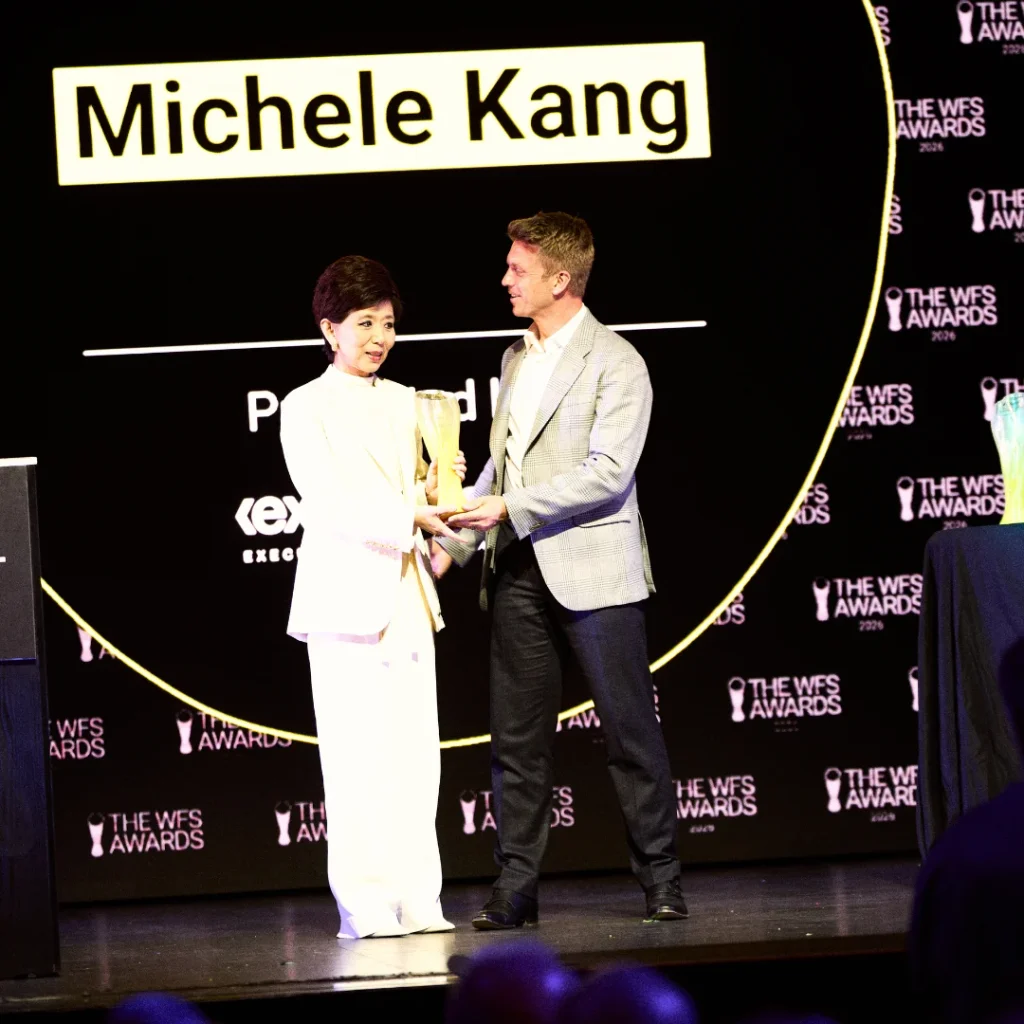
At WFS Madrid 2026, on the day she collected the Best Executive award at the WFS Awards, she set out the conviction behind that group: women’s football is a product in its own right, and it needs its own model, from the training ground to the business plan.
That conviction comes from an outsider’s view. Kang entered football through Washington Spirit with no background in the sport, and what struck her was a game with top-level talent that nobody had properly put in front of fans. In her reading, the women’s and men’s games share a sport but serve different audiences, with less than 10 per cent of fans in common.
“I will submit to you there are two different products. They’re not the same just because they play the same game,” she said. When she arrived in France, she spun off the women’s team from Olympique Lyonnais, and she warns against the easiest shortcut: “The worst thing I think women’s teams and women’s football can do is just go copy whatever men’s teams are doing.”
Women are not small men
The difference starts with the athletes. “Women are not small men, right?” Kang said. Even so, she argues, the best women’s teams have long relied on men’s training manuals applied at lower intensity, because so little is known about the female body: around 94 per cent of science and medical research on athletes is dedicated to men.
Closing that gap is one of the main jobs of her multi-club structure. Research is carried out once and shared across Kynisca’s clubs, as are scouting and other back-office functions. What stays local is everything that ties a club to its community, from its culture to its fans, because in her view clubs are “fundamentally a local product”.
Knowing what a fan costs
Kang approaches each acquisition the way she would a merger in any other industry, and Kynisca now works with a playbook and a financial model built across its three clubs. “How much does it cost to acquire one fan? How much marketing dollars are? We have figured that out,” she said. That knowledge, in her view, allows the group to grow faster and to “light some little fire in every country to bring attention to women’s football”, with the same facilities and methods in each new market.
Competing with every other night out
Much of that playbook is about fans. Kang’s starting point is that women’s football competes for people’s free time with everything else on offer: “We all have seven evenings a week and we have a lot of options.” Kynisca has researched its potential audiences in Washington, London and Lyon to understand who comes, who stays away and why, and it builds a matchday experience that goes well beyond the 90 minutes, with activities for families and other groups before and after each game.
The train has left the station
Kang sees the arrival of family offices and private equity as the moment women’s football became, in her words, “an investable category”. She points to London City Lionesses’ new front-of-shirt deal, signed with Nike in September, which she describes as the highest for a women’s team. “They did not write a charity check,” she said.
For Kang, the game cannot rely on losses forever: clubs need revenue to pay players and staff what they are worth, and Washington Spirit is already getting close to break-even. To those still waiting for certainty before investing, she said: “The train has left the station. There is no coming back.”
The cost of dominance
For Kang, the next phase requires a more balanced game. Development is still uneven from one league to the next, she said, and even in France, Spain and Germany a couple of teams dominate at the top, which in her view is not necessarily good for the development of the entire game.
She has seen the effect at her own club. When she asked supporters in Lyon, including fans of the men’s team, why they did not watch a women’s side she considers the best in the world, many gave the same answer: “You’re going to win anyway, and you’re going to beat some poor team seven nothing, eight nothing. It’s not fun to watch, you know, such a dominant game.”
Her answer is for every league to reach a level that allows genuinely competitive competitions, which also means reviewing some competition formats. “We have to make sure that the investment happens at the league level, at the country level.”