
For years, personalisation in sports was a segment-based game. If you followed a club, you got their news. But at World Football Summit Riyadh, the conversation among the industry’s biggest platforms shifted. The new baseline isn’t just knowing who the fan follows—it’s synthesizing exactly what they need in the format they want, at the very second they open the app.
At a panel titled “Building Everyday Engagement” (December 10-11 2025), executives from platforms reaching hundreds of millions of fans described how they’re navigating this shift. Mo Harb (TikTok), Tom Müller (OneFootball), Sam Sadi (LiveScore), Risha Singh (Spectatr AI), and Soren West (Tait) laid out how they’re delivering hyperpersonalised experiences at industrial scale.
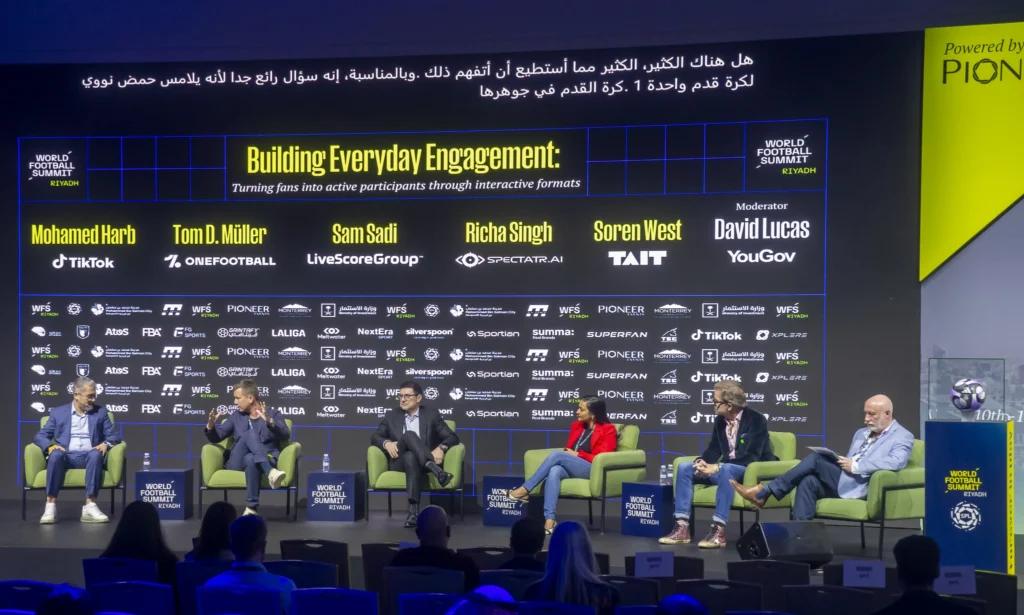
Sam Sadi remembers when delivering a different experience to 100 million users felt ambitious. The LiveScore Group CEO told the audience that five years ago, asking his teams to personalise the app for that scale seemed bold. Today, he is asking for something far more extreme:
“Every individual in every city should get a different version of the app in the tone they want to be spoken to, in the way they want to engage.”
The AI-Powered Shift
The technology making this possible is generative AI, allowing platforms to move from predicting what users might want to generating content for them in real time.
Sadi described how this has transformed LiveScore from a scores and statistics platform into a “storyteller.” When someone opens the app mid-match—say, on the 17th minute—the platform generates a personalised narrative of everything that’s happened so far. A fantasy football player gets stats relevant to their lineup, while someone tracking expected goals gets that specific angle.
“It could have been done before, but it would have cost a fortune,” Sadi explained. “Now this is starting to become possible.”
OneFootball: From Niche Interests to Multimodal Formats
OneFootball reaches 645 million fans monthly. Currently, the platform personalises around clubs, players, federations and language, but Tom Müller shared a vision where the medium changes with the user’s specific persona:
- The “Stats Nerd”: Receives a technical, data-heavy video summary during their morning commute.
- The “Creative”: Receives pre-match analysis rendered in a comic-book aesthetic or delivered through a specific philosophical narrative.
The platform tracks 57 sessions per month per user. This volume of interaction generates data on not just what fans care about, but the format they prefer. This approach has already proven its commercial value: Müller cited a campaign for Crypto.com where, instead of a generic tournament ad, they built a hyper-personalised funnel for every team in the Champions League, delivering the brand’s highest-performing campaign to date.
The Shift to Agentic AI
Risha Singh (Spectatr AI) defined this as the move from historical metadata to AI agents. Traditional personalisation relies on what a fan said they liked months ago; agents analyze behavior to understand intent in the current second.
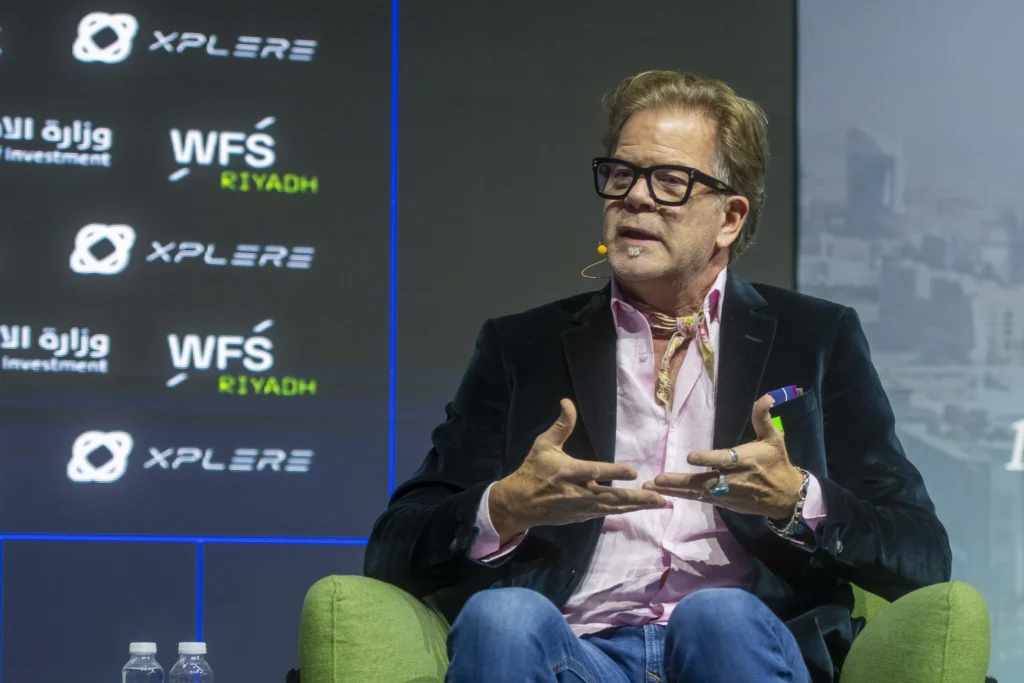
“This is not about asking what colour you like or ‘do you like Ronaldo’—all that is yesterday. You understand on the fly from user behaviour,” Singh explained.
These agents ingest a rights holder’s entire repository—video, stats, and text—to synthesize a response. Instead of the user browsing for a highlight, the system generates the exact insight or clip required, whether that’s an article for one user or a highlight reel in a specific language for another.
This is what Singh calls “the wheel of monetisation.”
TikTok and the Partner Ecosystem
TikTok plays a complementary role, focusing on discovery.
“Fans want to see something they don’t see within the 90 minutes,” explained Mo Harb. “They want to be closer to their favourite athletes, see what’s happening backstage, in the tunnel, on the sidelines.”
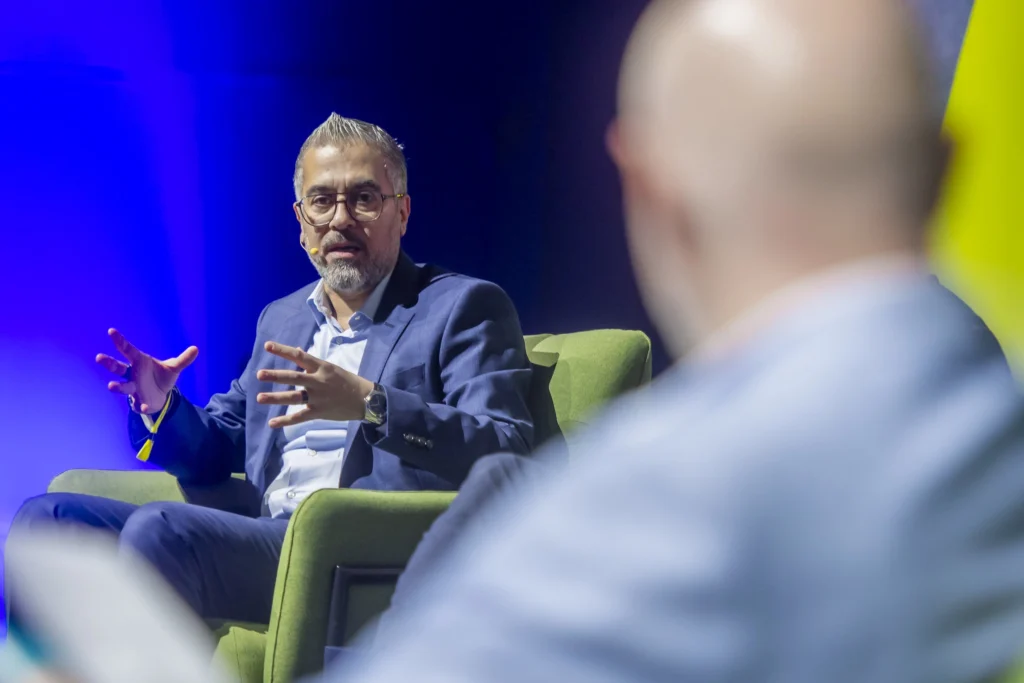
TikTok’s Game Plan product pulls scores from partners like LiveScore and rights from IP owners to funnel engagement back to the original platforms. The strategy is to drive fans toward the primary sources rather than attempting to keep them within the social feed.
Finding the Breaking Point
Scaling this level of personalisation has a precise breaking point. Nine out of ten OneFootball users allow push notifications, and the platform currently sends 4.5 per user on average. While more notifications could mean more revenue, the risk is a permanent opt-out.
“If I send two or three more messages and the user decides to opt out, we turn a high engaged user into a low engaged user and it’s almost irreversible,” Müller noted. Soren West agreed: “If that engagement is not authentic or connective in a personal way, it’s just more noise.”
Amplifying the Human Heart
After an hour discussing AI agents and industrial-scale synthesis, Saurin West cut through to the core of the fan experience. He reminded the audience that while technology provides the scale, it is only ever an amplifier for the emotional core of the sport.
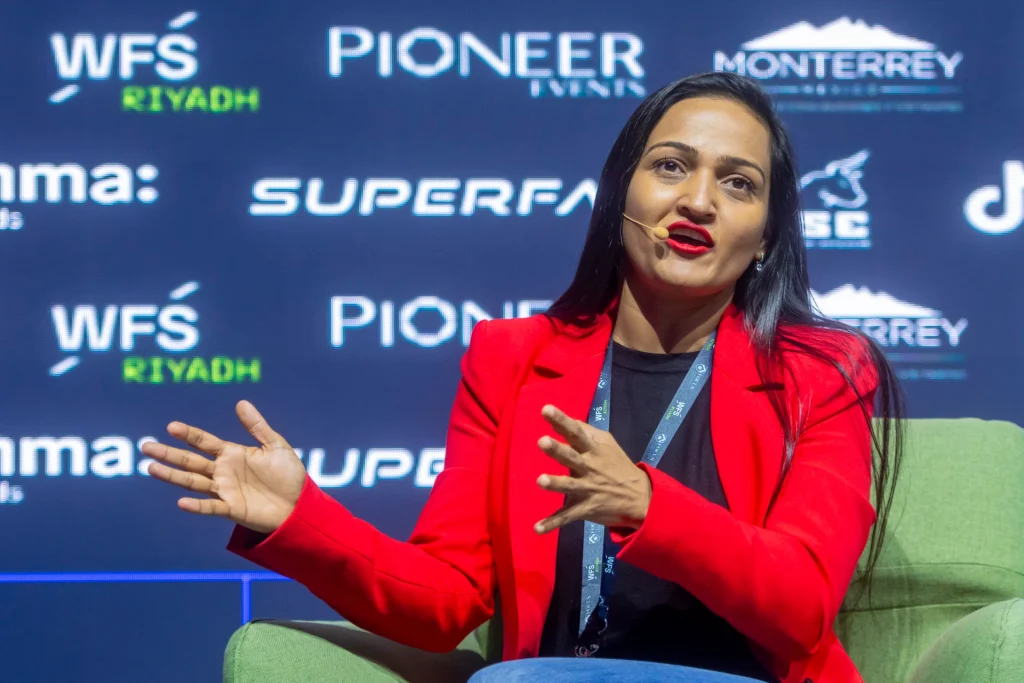
“The fan engagement that we depend on comes from the goosebumps that fans get from the game—the loss that makes people behave as if there was a death in the family,” West concluded. “What moves the needle is the same thing that moves the human heart.”
The platforms winning this race are those figuring out how to deliver a unique experience to every individual on the planet without losing the raw, emotional connection that makes football worth engaging with in the first place.